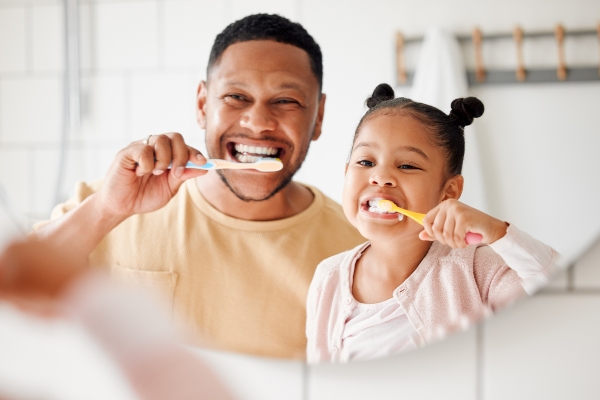
 Dental cleanings are routine procedures that are most effective when performed every six months. In just 30 to 60 minutes, a general dentist and hygienist can clean away plaque and tartar, polish the teeth, and expertly floss them. The result is a strong defense against decay and disease, promoting optimal oral health.
What to know heading into a dental cleaning
A dental cleaning requires minimal preparation. That said, the more one prepares, the less it hurts. For example, it is common for the gums to bleed as the dental hygienist scales away tartar and prods the gum line. Patients can prevent gum bleeding with consistent daily flossing for a few weeks. For best results, make it a long-term daily habit. The key is not to start flossing a few days before the dental cleaning appointment after forgoing it for the better part of the year, as this will have little to no effect.
Dive into other dos and don'ts before a dental cleaning below.
Do’s
Make sure to bring proof of dental insurance and ID. If possible, fill out dental paperwork ahead of time or arrive 15 minutes early to prevent cutting into the appointment time. Other do's before a dental cleaning include:
- Brush the teeth and tongue to eliminate excess food particles and plaque
- Schedule the cleaning at a time when the patient will not feel rushed
- Note any sensitive areas (such as painful teeth) and inform the dentist before they begin the cleaning
Don’ts
Do not come in for a dental cleaning if sick. Not only can this threaten the health of others, but some diseases can cause swollen gums, leading to patient discomfort during a cleaning. Further, patients must remember not to brush their teeth too hard beforehand. Do not whiten the teeth within 48 hours of the appointment to avoid tooth sensitivity. Similarly, avoid wearing lip makeup to the cleaning, as it will only get messy.
After the dental cleaning: What to know
Dental cleanings have no downtime. However, the teeth and gums may feel sensitive or sore for the rest of the night. According to Healthline, over-the-counter pain medications like ibuprofen or acetaminophen are effective in relieving these symptoms. Avoid sweet, acidic foods and drinks, as well as those served in extreme temperatures (very hot or ice cold).
Finally, diligently follow any specific recommendations from the general dentist. This usually only applies if the patient received a dental restoration such as a filling or preventive treatment like a fluoride varnish at the end of a cleaning. Typically, instructions include not drinking or eating anything too hot, sticky, or hard for a few hours following the appointment.
Get more information on your next dental cleaning
For optimal oral health, patients are advised to get a dental cleaning twice a year, every six months. As such, general dentists and hygienists are trained to provide cleanings efficiently and effectively. For more information or to schedule your next dental cleaning, contact our La Mesa office today.
Request an appointment or call Maycer Dental at 619-490-4197 for an appointment in our La Mesa office.
Related Posts
A dental cleaning is an opportunity for the dentist to inspect an individual’s mouth. One can experience jaw discomfort, hear noises, and feel some prodding. That is why some people do not look forward to this visit. However, keeping oral cleaning appointments is important for one’s dental health. Here are the details on how a…
Regular dental cleanings are a recommended dental practice for everyone to maintain good oral health. This procedure is necessary to improve and maintain dental hygiene. Since oral health is connected to overall well-being, dental cleaning can help prevent some oral issues like cavities and gum disease.Everyone knows that unhealthy snacks and sugary treats can damage…
Dental cleanings are the cornerstone of oral healthcare. Regularly scaling away plaque and tartar keeps the teeth healthy and prevents gum disease. It can also help treat sensitive teeth. That said, it is common to experience tooth sensitivity immediately after a dental cleaning, especially if the patient has not been to the dentist in a…